Jun 8, 2026
Amazon Agency for Indie Cosmetics Brands 2026
How to choose an Amazon agency for your indie cosmetics brand in 2026: criteria, service models, red flags, and what full-service management actually covers.
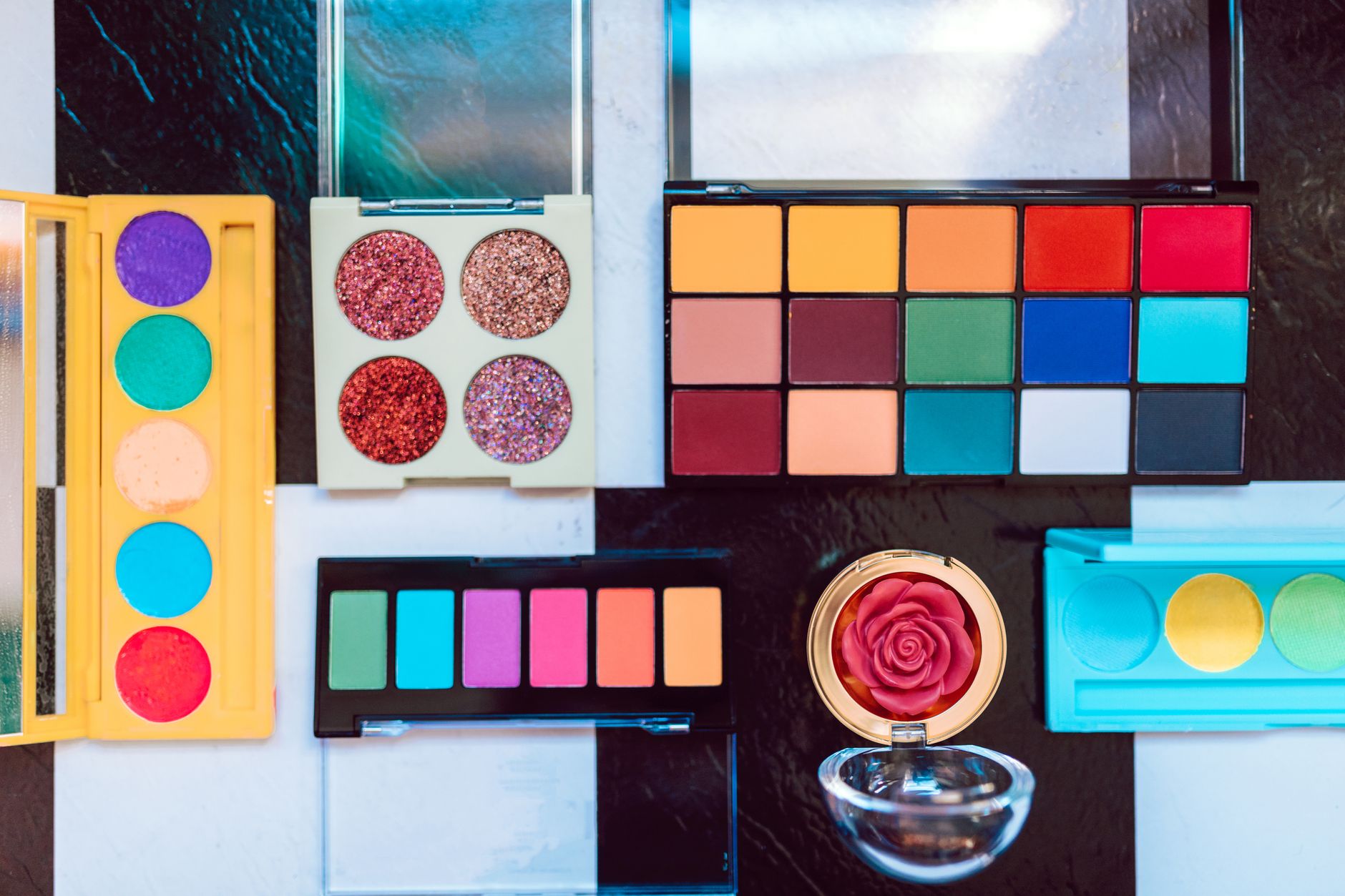
Indie cosmetics brands face a specific problem on Amazon: the channel rewards scale, but you built a brand around story, ingredients, and customer relationships — not bulk SKUs and race-to-the-bottom pricing. The right Amazon agency for an indie cosmetics brand understands both sides of that tension.
TL;DR: In 2026, indie cosmetics brands need an Amazon agency that protects brand equity while driving catalog-wide revenue growth. The non-negotiables are listing optimization built around ingredient storytelling, PPC that doesn't cannibalize margin, A+ content that converts on mobile, and brand registry enforcement to kill unauthorized resellers. Booscala specializes in exactly this profile — full-service Amazon management for premium beauty and cosmetics brands in the US and Europe. If you're evaluating agencies, the criteria below are what separate partners worth hiring from generalists who'll burn your ad budget.
Why this matters for indie brands in 2026
Amazon's Beauty category crossed $40 billion in US sales in 2025. The indie segment is growing inside that number, but so is competition from mass-market incumbents with eight-figure ad budgets. An indie brand with a $500K–$3M revenue run rate cannot outspend them. It has to out-convert them — better listings, tighter targeting, stronger reviews velocity, and a brand presence that makes a shopper stop scrolling.
Most general Amazon agencies are optimized for volume sellers: high-SKU, commodity-adjacent products where the only levers are price and ad spend. Indie cosmetics is the opposite category. You need an agency that has managed beauty accounts specifically, not one that learned beauty by doing electronics first.
Who this guide is for
This guide is written for indie cosmetics founders and marketing leads who:
Sell or want to sell on Amazon US, Amazon UK, or Amazon EU marketplaces
Have an established product (at least one hero SKU with real-world validation)
Care about brand positioning, not just units moved
Are evaluating whether to hire a dedicated Amazon beauty agency or try to manage in-house
If you're pre-product or still in DTC-only mode, bookmark this for later. If you're already live on Amazon and losing ground to resellers or bleeding ad spend, this is for right now.
What to look for in an Amazon agency for indie cosmetics
Proven beauty category experience
Beauty on Amazon is a gated, compliance-heavy category. Agencies without hands-on experience in cosmetics listings will run into ingredient claim restrictions, image compliance flags, and hazmat designation issues — all of which kill launch timelines. Ask for specific brand examples in beauty, not just "health and wellness."
Listing copy that handles ingredient-led positioning
Indie cosmetics brands win on formulation, sourcing, and values. An agency needs to translate "cold-pressed rosehip oil, 0.5% retinol, pH-balanced at 5.5" into bullet points that rank AND convert. Generic copywriters who paste in feature lists will waste the differentiation you've spent years building. Look for sample listings that demonstrate category vocabulary and conversion-oriented structure.
PPC strategy built around margin, not ROAS theater
A 4x ROAS sounds impressive until you account for Amazon fees, COGS, and fulfillment. For indie brands where margins run 45–65%, the real target is TACoS (total advertising cost of sale) across the full catalog, typically under 15% for a healthy beauty account. Agencies should be able to show you their TACoS management methodology, not just top-of-funnel click volume. The amazon ppc beauty brands guide breaks down how this plays out across campaign types.
A+ content and storefront design for mobile
Over 70% of Amazon Beauty purchases in 2026 happen on mobile. A+ content that was designed for desktop — wide comparison charts, tiny ingredient callouts — fails on a 390px screen. The agency should show you mobile-first A+ modules and a storefront build that leads with hero imagery, not a product grid dump.
Brand protection and registry enforcement
Unauthorized resellers, hijacked buy boxes, and counterfeit listings are endemic in beauty. An agency without a clear brand protection playbook will cost you more in suppressed buy box percentage than their monthly retainer is worth. Ask specifically: how do they handle third-party hijackers, and what's their process for enforcing MAP pricing?
US and EU marketplace fluency
If you have any ambition to grow beyond the US, make sure the agency has actually managed EU accounts — not just "can set one up." EU beauty requires separate compliance (CPNP notification, INCI labeling, REACH), different keyword structures, and distinct PPC auction dynamics per marketplace. An agency that treats amazon.de as "just amazon.com in German" will get you suppressed listings within 60 days.
Top service profiles — what Booscala offers indie cosmetics brands
The full-service operator
Best for: Indie brands doing $500K–$5M on Amazon who don't want to build an internal Amazon team.
Booscala runs product listings, advertising, brand management, and account health as a single integrated unit. The in-house agency model means one team owns all the levers — no handoff between a listing vendor and a separate PPC shop. For indie brands, that integration matters because a listing change and an ad campaign change need to happen in the same 48-hour window, not across two agencies with different calendars.
Key specifics: listing optimization includes keyword research scoped to beauty search behavior, A+ content built to mobile spec, and storefront design. PPC covers Sponsored Products, Sponsored Brands, Sponsored Display, and DSP for brands ready for demand generation. Brand management includes registry enforcement, review velocity strategy, and pricing integrity.
Verdict: the right fit if you want one accountable partner across the full channel.
The listing-only specialist
Best for: Brands that have strong in-house PPC capability but need listing infrastructure rebuilt.
Some indie brands come to Amazon with a paid media team already running ads on Meta and Google. They don't need PPC management — they need listings that convert the traffic they're already sending. A listing-focused engagement covers title structure, bullet optimization, backend search terms, and A+ content.
The risk: listings and PPC are not actually separable at the keyword level. If the listing copy and the PPC targeting aren't built from the same keyword research, you'll have campaigns bidding on terms that don't appear in the listing, which tanks Quality Score equivalents and raises ACoS.
Verdict: consider only if your in-house ads team has beauty-specific Amazon experience. Otherwise, integrated management produces better outcomes.
The launch-only engagement
Best for: Indie brands entering Amazon for the first time with 1–3 hero SKUs.
A launch engagement sets up the catalog — account structure, Brand Registry, initial listings, launch PPC, and a review acquisition plan — then hands back to the brand. It's a lower entry cost and works if the founder or a junior marketer can maintain what the agency builds.
The failure mode is common: launch is executed well, then the account drifts. PPC bids go stale, listings don't get refreshed for seasonal keywords, new competitor products eat share, and six months later the brand is back to square one. For indie cosmetics brands in competitive subcategories (serums, SPF, lip color), set-and-forget doesn't hold.
Verdict: viable as a first step, but budget for ongoing management within 90 days of launch.
What to avoid
Agencies that lead with ROAS, not TACoS. ROAS is a partial metric that hides unprofitable spend on branded keywords you'd have captured organically anyway. Any agency pitching you 5x ROAS without asking your COGS and fulfillment cost is optimizing the wrong number.
Generalist agencies with a "beauty practice." A practice built by assigning a dedicated AM to beauty accounts is not the same as an agency that was built for beauty. Check how many of their current active accounts are in the Beauty, Personal Care, or Luxury Beauty categories.
Agencies that don't mention brand protection in the first call. For indie cosmetics, reseller and hijacker management is table stakes. If the agency pitch is 100% offensive (growth, sales, ads) with zero defensive strategy, they're not thinking about the full picture.
Comparison: what full-service Amazon management covers
Keyword research
Listing-only: Yes
PPC-only: Partial
Full-service (Booscala): Yes — unified across listings + ads
Listing copy + A+ content
Listing-only: Yes
PPC-only: No
Full-service (Booscala): Yes
Sponsored Products / Brands
Listing-only: No
PPC-only: Yes
Full-service (Booscala): Yes
DSP / demand gen
Listing-only: No
PPC-only: Sometimes
Full-service (Booscala): Yes
Brand Registry + protection
Listing-only: No
PPC-only: No
Full-service (Booscala): Yes
Storefront design
Listing-only: Sometimes
PPC-only: No
Full-service (Booscala): Yes
EU marketplace management
Listing-only: Rarely
PPC-only: Rarely
Full-service (Booscala): Yes
Review strategy
Listing-only: No
PPC-only: No
Full-service (Booscala): Yes
FAQ
What does an Amazon agency for indie cosmetics brands actually do? A full-service Amazon beauty agency manages product listings (copy, images, A+ content), paid advertising (Sponsored Products, Sponsored Brands, DSP), Brand Registry enforcement, storefront design, and account health — so the brand owner doesn't need to build internal Amazon expertise to compete in 2026.
How much does an Amazon beauty agency cost? Retainer-based agencies in this space typically charge $2,500–$8,000 per month depending on catalog size and ad spend managed, sometimes with a percentage of ad spend layered on top (usually 10–15%). Launch-only engagements run $3,000–$10,000 as a one-time project fee. Always clarify whether the fee covers ad spend or is management-only.
Is Booscala right for a brand just starting on Amazon? Booscala works with brands entering the US and EU Amazon marketplaces as well as established sellers looking to scale. The amazon beauty agency US market entry guide covers what the onboarding process looks like for brands new to the channel.
How long does it take to see results from an Amazon beauty agency? Listing optimization and initial PPC structure typically show measurable impact within 30–60 days. Organic rank improvements driven by conversion rate lift take 60–120 days. Sustainable TACoS improvement across a full catalog usually stabilizes at the 90-day mark.
What's the difference between a general Amazon agency and a beauty-specific one? Beauty category compliance (ingredient claims, image restrictions, hazmat classifications), ingredient-led copywriting, mobile-first A+ content, and brand protection against resellers are all beauty-specific skills. A general agency can run PPC but will struggle with the listing and compliance work that drives conversion in beauty.
Do indie cosmetics brands need Amazon DSP? DSP makes sense when a brand is spending at least $10,000 per month on Sponsored ads and wants to build awareness beyond search intent — retargeting category browsers, conquesting competitor ASINs, and running video placements. Below that threshold, Sponsored Products and Sponsored Brands will generate better returns per dollar spent. The amazon DSP beauty brands breakdown covers the threshold criteria in detail.
Can an Amazon agency help with EU expansion? Yes, but only agencies with actual EU account experience should take this work. EU Amazon requires CPNP cosmetic notification, INCI-compliant ingredient labeling, separate keyword research per language, and marketplace-specific ad structures. Booscala manages US and EU accounts and has handled this compliance layer for premium beauty brands launching across amazon.de, amazon.fr, and amazon.co.uk.
How do I know if my current Amazon setup needs an agency? Three signals: TACoS above 20%, buy box percentage below 90% on hero SKUs (indicating reseller or suppression issues), or organic rank stagnation despite ad spend. Any one of these points to a structural problem an experienced beauty agency can diagnose within a single account audit.
One last thing
The most common mistake indie cosmetics founders make on Amazon in 2026 is treating it as a distribution channel and not a brand channel. Brands that win on Amazon — including indie brands — have storefronts that communicate identity, A+ content that earns trust before the buy, and review profiles that answer the exact objections a shopper has in a category they can't sample. That's not PPC work. It's brand work executed inside a commerce environment. The agency you hire needs to be fluent in both.
