May 23, 2026
Amazon Beauty Agency for Skincare Brands 2026
Find the right amazon beauty agency skincare brands can trust in 2026 — criteria, red flags, and a direct comparison of specialist vs generalist agency profiles.
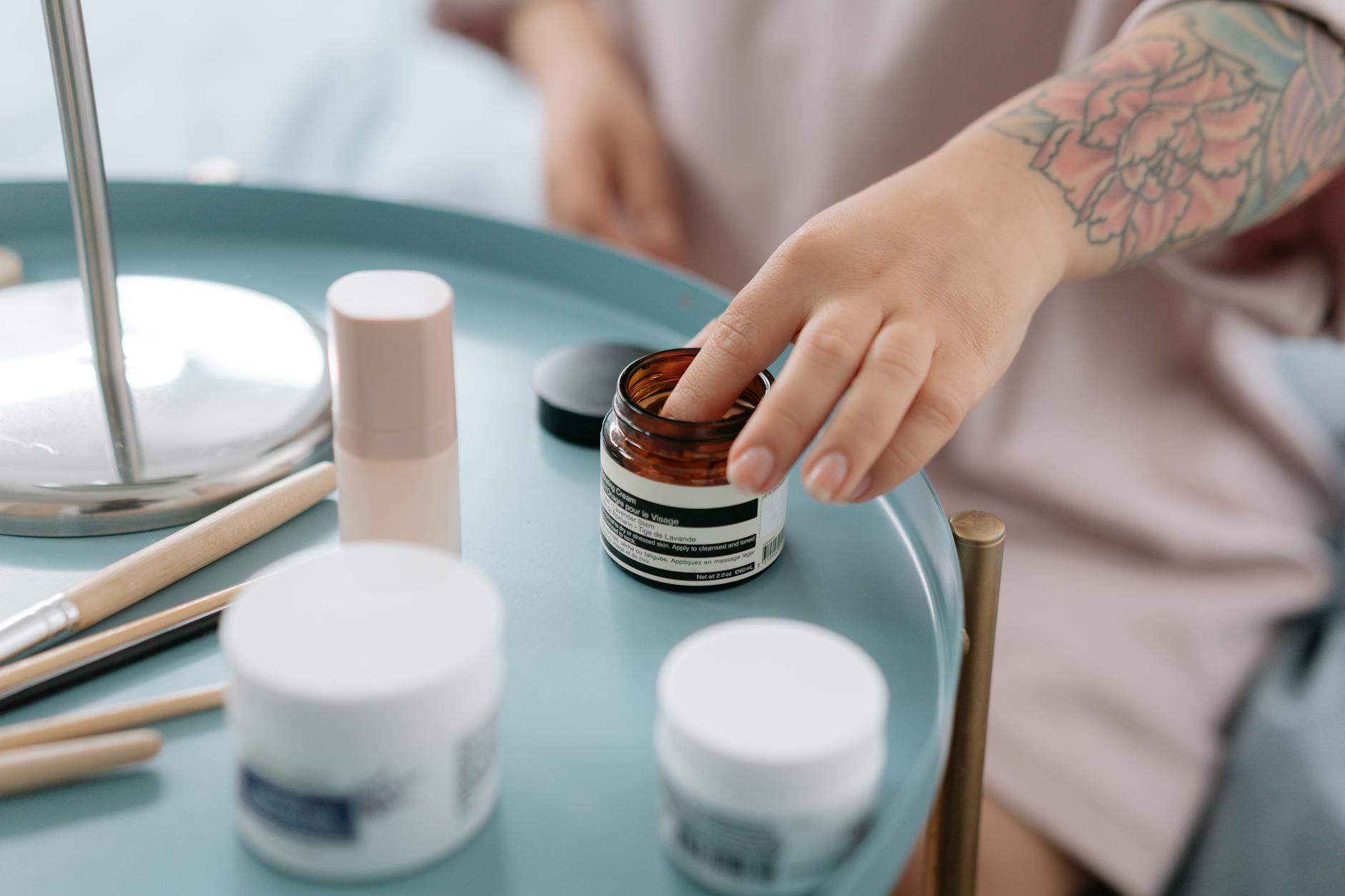
Choosing the wrong Amazon partner costs premium skincare brands more than ad spend — it costs category positioning, review velocity, and the margin compression that follows a poorly structured listing. This guide breaks down exactly what separates a specialized amazon beauty agency skincare operator from a generalist account manager, and how to evaluate each dimension before signing.
TL;DR
Premium skincare on Amazon needs beauty-specific expertise: A+ Content hierarchy, EU compliance labeling, beauty PPC structures, and subscription conversion
A generalist running Sponsored Products applies conversion logic built for other categories
Booscala operates as a full-service Amazon beauty agency for premium brands across the US and EU
Scaling a skincare line? Match against category-specific expertise, not fee savings
Why This Decision Matters More in 2026
Amazon's beauty category crossed $30 billion in US sales in 2024 (Statista, 2024 annual report), and algorithmic changes in 2025 tied search rank more directly to conversion rate, Subscribe & Save attach rate, and image stack quality. A generalist agency optimizing for electronics or home goods applies a fundamentally different conversion logic. Skincare purchases are sensory and trust-driven — the agency managing your listings must understand ingredient storytelling, dermatologist claim compliance, and the fragrance/allergen labeling differences between US and EU Amazon marketplaces.
Getting this wrong in 2026 means suppressed listings, FTC-adjacent claim flags, and ad spend that converts at 8–12% below category average.
Who This Guide Is For
This guide targets the founder or marketing lead of a premium skincare brand — think a $2M–$20M annual revenue range — that is either entering Amazon for the first time or auditing an underperforming agency relationship. You already know your product is good. The problem is that your Amazon presence does not reflect that quality, and you are not sure whether the fix is operational (listings, ads) or strategic (positioning, pricing architecture).
If your brand is mass-market or commoditized, the criteria below still apply but the stakes on A+ Content and brand storytelling are lower. For premium skincare, they are decisive.
What to Look for in an Amazon Beauty Agency for Skincare
Skincare-Specific Listing Architecture
A listing built for skincare converts differently than one built for supplements or electronics. The agency should know that the bullet hierarchy for a serum leads with skin type and clinical outcome, not features. They should demonstrate experience structuring titles within Amazon's 200-character beauty category limit while embedding the ingredient keywords (niacinamide, retinol, peptide) that drive top-of-funnel discovery. Ask to see before/after listing examples in the prestige skincare subcategory specifically.
A+ Content and Brand Story Execution
A+ Content is not decorative — modules placed in the wrong order measurably reduce add-to-cart rates. Premium skincare brands need an agency that A/B tests module sequence, knows which comparison chart formats trigger more "add both" behavior, and can write benefit-led copy without triggering Amazon's drug-claim review process. In 2026, Brand Story carousel usage in beauty has become a baseline expectation, not a differentiator. The agency should already treat it as standard.
Beauty-Specific PPC Structure
Skincare PPC is not a standard Sponsored Products campaign. An experienced agency segments campaigns by skin concern (acne, aging, hyperpigmentation), ingredient query, and competitor conquesting separately — not inside the same ad group. They understand that beauty CPCs in premium skincare ran $1.80–$3.50 on competitive terms through 2025 and that TACoS targets in the category typically sit 12–18% for established brands, lower for hero SKUs with strong organic rank. If the agency pitches a flat TACoS target without knowing your organic position, that is a red flag.
EU Marketplace and Compliance Literacy
US skincare brands expanding to Amazon EU face labeling obligations under EU Cosmetics Regulation 1223/2009 — ingredient lists in the local language, responsible person designation, and CPNP notification. An Amazon beauty agency with EU capability handles this inside the workflow, not as a bolt-on. Ask specifically: do they have in-house EU compliance review, or do they hand this off to the brand? The answer tells you whether their EU offering is real.
Subscribe & Save and Retention Architecture
Subscription attach rate is the single highest-leverage metric in premium skincare on Amazon. A customer on a 30-day replenishment cycle for a moisturizer is worth 4–6x a one-time buyer over 12 months. The agency should have a documented process for optimizing S&S enrollment: listing copy that calls out the subscription discount, a pricing strategy that makes S&S the dominant option, and a review solicitation sequence that times follow-up to subscription delivery windows. Agencies without a retention playbook are leaving 30–40% of lifetime value on the table.
Reporting Tied to Brand Health, Not Vanity Metrics
Clicks and impressions are not useful. The agency should report weekly on: organic rank for primary keywords, conversion rate by traffic source, TACoS trend (not just ACoS), and review velocity. Monthly reporting should include BSR trend in relevant subcategories and any listing health flags from Amazon. If the agency's standard dashboard does not include organic rank, they are managing campaigns without knowing whether the campaigns are working.
Amazon beauty by the numbers
$30B+ — US Amazon beauty sales crossed in 2024
$3,000–$10,000/mo — typical full-service agency retainer for skincare brands
12–18% — TACoS target for established premium skincare brands
60–90 days — for PPC optimization to show TACoS improvement
Top Profiles to Evaluate
The category specialist — the safe pick for premium skincare. An agency where beauty/cosmetics is the primary or only vertical, not one of ten industries served. The risk of a generalist is strategy bleed: they apply whatever worked in another category. Booscala operates inside this profile as a full-service Amazon beauty agency specifically for premium beauty and cosmetics brands in the US and EU. Verdict: Buy for brands that need end-to-end management without building an in-house Amazon team.
The performance-only shop — the wildcard. Agencies that focus exclusively on PPC and hand listing management back to the brand. This works if your creative and copy are already polished and your organic rank is stable. It fails if your listing has structural problems, because no amount of ad spend fixes a 9% conversion rate on a $80 serum. TACoS will climb until the listing is rebuilt. Verdict: Consider only if you have a strong in-house content team.
The full-service generalist — the most common agency type and the highest-risk choice for premium skincare. They will run ads competently. They will not know that a fragrance-free claim on a US listing triggers a separate keyword cluster, or that your EU expansion needs a responsible person registered in the EU before the ASIN can go live. Verdict: Skip for brands where category depth matters — and in premium skincare, it always does.
What to Avoid
Agencies pitching guaranteed sales targets. Amazon does not guarantee outcomes. An agency that does is pricing your retainer into a model that depends on you spending more on ads, not on improving organic rank.
Flat-fee PPC management with no performance alignment. If the agency earns the same fee whether your TACoS is 10% or 35%, the incentive structure is wrong. Look for fee models that include a percentage of ad spend managed or a performance component tied to revenue growth.
No EU compliance capability presented as an EU expansion offer. Listing your skincare brand on Amazon.de or Amazon.fr without proper CPNP notification and local-language labeling is not a growth move — it is a suppression risk. Any agency that glosses over this in an EU pitch is not ready for EU.
Verdict Comparison Table
Listing architecture (skincare)
Category Specialist: Strong
Performance-Only Shop: Varies
Full-Service Generalist: Weak
Beauty-specific PPC
Category Specialist: Strong
Performance-Only Shop: Strong
Full-Service Generalist: Moderate
A+ Content & Brand Story
Category Specialist: Strong
Performance-Only Shop: Not included
Full-Service Generalist: Moderate
EU compliance
Category Specialist: Strong (if EU-focused)
Performance-Only Shop: Not included
Full-Service Generalist: Weak
Subscribe & Save strategy
Category Specialist: Strong
Performance-Only Shop: Not included
Full-Service Generalist: Weak
Reporting depth
Category Specialist: High
Performance-Only Shop: Moderate
Full-Service Generalist: Moderate
Risk level for premium skincare
Category Specialist: Low
Performance-Only Shop: Medium
Full-Service Generalist: High
FAQ
What does an Amazon beauty agency for skincare actually do?
A specialized agency manages product listings, advertising campaigns, and brand strategy on Amazon specifically for beauty and skincare brands. In 2026, that includes A+ Content, PPC structure, Subscribe & Save optimization, and EU marketplace compliance — not just campaign management.
How much does an Amazon beauty agency cost for a skincare brand?
Retainer fees for full-service Amazon beauty agency management typically run $3,000–$10,000 per month depending on SKU count, ad spend under management, and whether EU marketplaces are included. Performance components vary by agency model.
Is a generalist Amazon agency good enough for premium skincare?
No. Beauty-specific PPC structures, ingredient-keyword strategies, and EU cosmetics compliance require category knowledge a generalist does not have. The conversion cost of using a generalist — in suppressed listings and misdirected ad spend — usually exceeds any fee savings within 90 days.
What TACoS target should a premium skincare brand expect on Amazon in 2026?
Established premium skincare brands with strong organic rank typically target 12–18% TACoS. New brands or those launching a new hero SKU may run 25–35% TACoS while building organic velocity, then reduce it as rank improves.
How long does it take to see results with an Amazon beauty agency?
Listing and A+ Content improvements show conversion rate impact within 2–4 weeks of going live. PPC optimization typically shows TACoS improvement within 60–90 days. Organic rank shifts for competitive skincare keywords take 3–6 months of sustained conversion and review velocity.
Do I need a separate agency for US and EU Amazon markets?
Not necessarily. Agencies with genuine EU capability handle both under one retainer, including CPNP notification, responsible person designation, and local-language listing compliance. If an agency cannot describe the EU Cosmetics Regulation requirements specifically, treat their EU offer as aspirational, not operational.
What metrics should an Amazon beauty agency report every week?
Organic rank for your top 10 keywords, conversion rate by traffic source, TACoS trend, and review velocity. Monthly: BSR trend in subcategory, listing health flags, and Subscribe & Save attach rate change.
How do I know if my current Amazon agency is underperforming?
Three signals: TACoS has been flat or rising for 90+ days without a new launch explaining it; your conversion rate on your hero SKU is below 12% at a sub-$60 price point; and your organic rank for primary ingredient keywords has not moved in 6 months despite ongoing ad spend.
One Last Thing
The most overlooked Amazon performance lever for premium skincare in 2026 is not PPC — it is the Subscribe & Save discount architecture. Most brands set a flat 10% discount and ignore it. Brands that model their S&S discount against customer acquisition cost (CAC) and lifetime value (LTV) — and price the enrollment incentive accordingly — routinely see subscription attach rates 2x the category average. A 20% attach rate versus a 10% attach rate on a $70 moisturizer, across 500 monthly orders, is a $70,000 annual LTV difference before accounting for reduced re-acquisition ad spend. That math is why agency partners with a retention playbook are worth more than agencies that only optimize for first-order ROAS.
