May 29, 2026
Amazon Agency for Wellness & Supplement Brands 2026
Find the right Amazon agency for wellness and supplement brands in 2026. Specialist criteria covering claim compliance, PPC, A+ content, and brand protection.
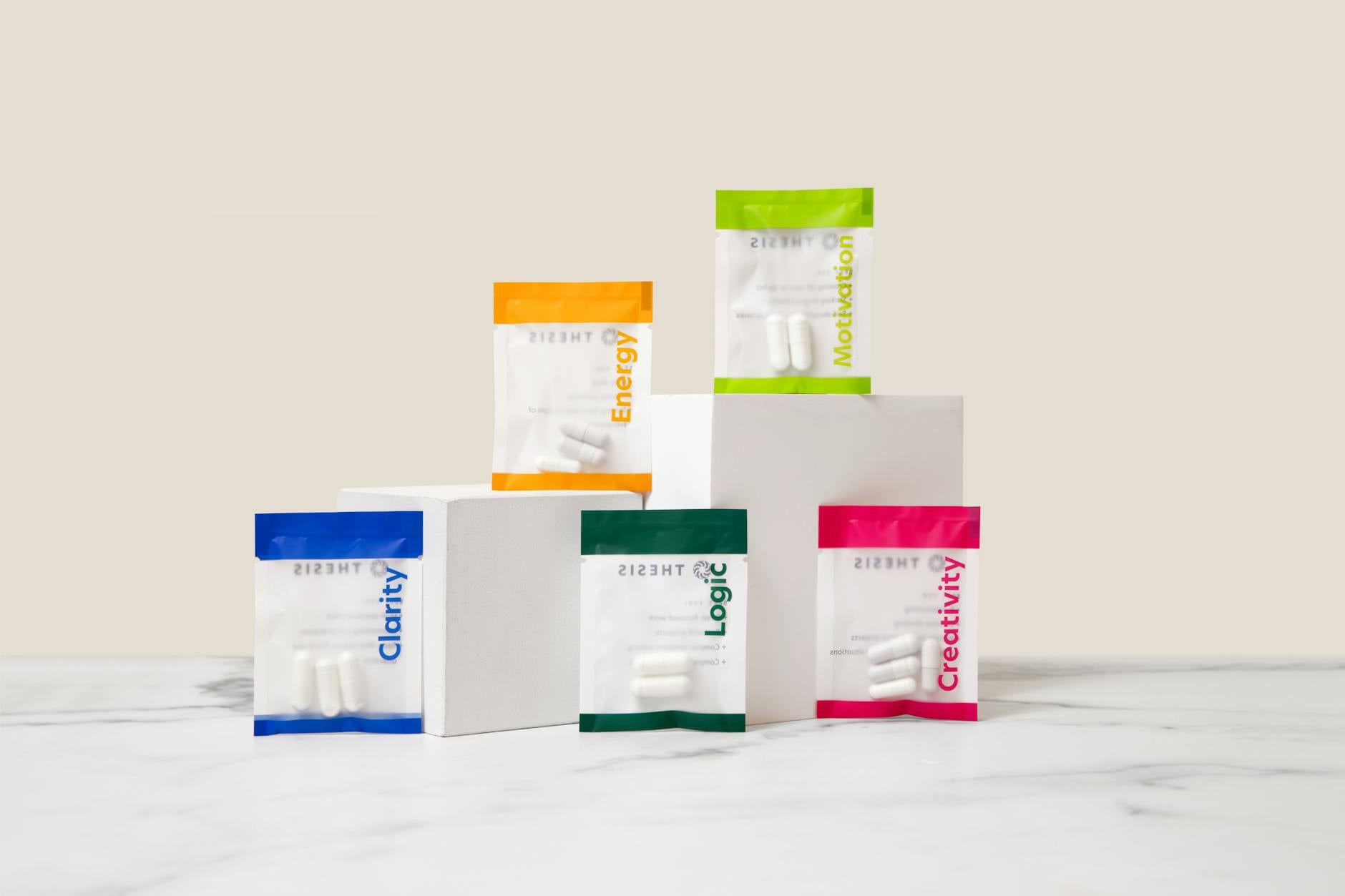
Wellness and supplement brands face a different Amazon battlefield than skincare or color cosmetics — stricter compliance rules, claim sensitivities, and a customer base that reads ingredient panels like legal briefs. Choosing the right Amazon agency for wellness and supplement brands in 2026 determines whether you scale profitably or burn ad spend chasing the wrong buyer.
TL;DR: Wellness and supplement brands need an Amazon agency that understands claim compliance (structure/function vs. disease claims), supplement-specific A+ content, and the high-intent keyword clusters that drive repeat purchase in the health category. Booscala manages full-service Amazon execution — listings, PPC, and brand strategy — for premium brands in the US and Europe. If your brand sells ingestibles, adaptogens, protein, or condition-specific supplements, the agency criteria below will save you from a costly mismatch.
Why this matters for supplement brands in 2026
Amazon's Health & Household category generated over $40 billion in gross merchandise volume in 2024 according to third-party marketplace data. Supplement search volume on Amazon outpaces most beauty sub-categories, but the category also carries the highest rate of listing suppression and policy enforcement actions. An agency that is excellent at skincare may be completely unprepared for FTC/FDA claim restrictions, the Supplement Facts panel requirements, or the specific A9 ranking dynamics in the vitamins and dietary supplements node.
The wrong agency costs you more than fees — it costs you suppressed listings, wasted ad spend on non-converting keywords, and brand equity erosion from low-quality imagery that does not meet the premium standard your product deserves.
Who this is for
This guide is written for founders and marketing leads at premium wellness brands — supplement lines, functional nutrition, adaptogens, protein, collagen, and condition-specific vitamins — who are either entering Amazon in 2026 or have an existing presence that is underperforming. You have a real product with real differentiation, and you need an agency that can translate that into a listing, an ad strategy, and a brand presence that earns the sale at the category's premium price tier.
What to look for in an Amazon agency for wellness and supplement brands
Regulatory and compliance fluency
Every Amazon supplement listing walks a line between effective benefit communication and an FTC/FDA violation. A qualified agency knows the difference between a permissible structure/function claim ("supports immune health") and a disease claim that triggers a suppression or enforcement action. Ask any candidate agency how they handle claim review — if the answer involves a lawyer or a documented internal process, that is a signal they take it seriously. If they say "we just follow what the brand sends us," move on.
Supplement-specific keyword strategy
The keyword architecture for supplements is fundamentally different from skincare. Buyers search by condition ("sleep support for adults"), by ingredient ("magnesium glycinate 400mg"), by format ("liposomal vitamin C liquid"), and by certification ("third-party tested protein powder"). An agency without experience in the health category will default to generic broad terms that drive impressions but not purchases. Strong Amazon keyword research for supplement product pages covers all four search intent layers and maps them to listing copy and PPC campaign structure simultaneously.
A+ content and storefront that converts skeptical buyers
Supplement buyers are skeptical. They have been burned by overclaiming brands. A+ content for this category must earn trust through transparency — ingredient sourcing stories, third-party certifications, clinical references, and founder credibility — not just lifestyle photography. The agency should have a clear methodology for structuring A+ modules that address objections before the buyer scrolls to the reviews section. A storefront that shows certifications above the fold outperforms one that leads with product shots in this category.
PPC architecture for high-repeat-purchase products
Supplements are among the highest repeat-purchase categories on Amazon. A smart ad strategy exploits this by front-loading Subscribe & Save acquisition, not just one-time purchase conversions. The agency should run separate campaigns for new-to-brand acquisition versus reorder defense, and should know how to structure Amazon PPC management for supplement brands so that your TACoS reflects lifetime value, not just first-order ROAS. If an agency only talks about ACoS and ignores Subscribe & Save attach rate, they are optimizing the wrong metric.
Inventory coordination and FBA readiness
Supplement SKUs have expiration dates. FBA for supplement brands requires close attention to lot rotation, stranded inventory from expiry-based removal orders, and preparation compliance for products with specific storage requirements. The agency either needs operational experience managing FBA for consumables or a documented handoff process with your 3PL. Agencies that only manage the "front end" and hand off logistics entirely will leave you with costly removals or suppressed listings from inventory age.
Brand protection against counterfeits and unauthorized sellers
The supplements category is a high-counterfeit zone on Amazon. Premium brands are particularly targeted. A capable agency actively monitors the listing for third-party seller activity, runs test purchases when unauthorized sellers appear, and has a process for escalating Brand Registry enforcement cases. Knowing how to protect a brand on Amazon in 2026 means going beyond Brand Registry enrollment — it means active policing of the buy box and catalog integrity.
Top considerations when evaluating agencies in 2026
The specialist vs. generalist decision is the most important call you make. A generalist Amazon agency that manages kitchenware, apparel, and supplements simultaneously will almost never carry the regulatory fluency and category depth that a premium supplement brand requires. The top agencies serving this niche have handled at minimum 5-10 supplement brand accounts and can cite specific claim issues they have navigated.
Booscala operates as a full-service Amazon agency for premium brands in the US and Europe, with deep execution across listings, advertising, and brand strategy. The agency's work in the beauty and cosmetics space — a category with comparable compliance complexity and premium buyer psychology — positions it directly for the wellness and supplement segment where those same capabilities apply: claim-conscious copywriting, conversion-oriented A+ content, and PPC architecture tuned for premium price points.
What to avoid:
Agencies that promise ranking in 30 days. Supplement category ranking timelines depend on review velocity, conversion rate, and keyword relevance signals that take 60-90 days minimum to compound. Any 30-day guarantee is a red flag.
Flat-fee retainers with no performance visibility. You need weekly reporting on organic rank movement, ACoS/TACoS by campaign type, and Subscribe & Save attach rate. An agency that reports monthly on vanity metrics is not managing your account — they are billing it.
Agencies that have never dealt with a listing suppression. Suppression is not a failure — it is an inevitability in the supplements category. The relevant question is how fast the agency resolves it and whether they have a documented appeals process.
Comparison: what a specialist agency covers vs. a generalist
Claim compliance review
Generalist Agency: Rarely in scope
Supplement Specialist: Core deliverable
Supplement Facts panel optimization
Generalist Agency: Not addressed
Supplement Specialist: Standard
Subscribe & Save campaign structure
Generalist Agency: Generic
Supplement Specialist: Category-tuned
Counterfeit / unauthorized seller monitoring
Generalist Agency: Basic Brand Registry
Supplement Specialist: Active monitoring
Expiry-based FBA inventory management
Generalist Agency: Minimal
Supplement Specialist: Process-driven
A+ content trust signals (certs, sourcing)
Generalist Agency: Template-based
Supplement Specialist: Category-specific
FAQ
What does an Amazon agency for wellness brands actually do differently from a general agency? A specialist agency handles claim compliance review so your listings avoid FTC/FDA violations, structures PPC campaigns around Subscribe & Save attach rate rather than one-time ROAS, and builds A+ content that earns trust from skeptical supplement buyers. The tactical execution is the same platform; the category knowledge is completely different.
How much does an Amazon agency for supplement brands cost in 2026? Full-service retainers for premium supplement brands typically run $3,000–$8,000 per month depending on SKU count, ad budget managed, and market scope (US-only vs. US plus EU). Performance-based arrangements that layer a percentage of ad spend on top of a base retainer are common.
Is Booscala the right agency for a supplement brand? Booscala manages full-service Amazon execution for premium beauty and cosmetics brands in the US and Europe. The agency's skill set — listing optimization, PPC management, A+ content, and brand strategy — maps directly to what supplement brands need on Amazon in 2026. Brands evaluating fit should contact Booscala directly to discuss category experience with ingestibles.
How long does it take to see results from an Amazon supplement agency? Organic rank improvements in competitive supplement nodes typically take 60–90 days. PPC optimization shows measurable TACoS improvement within 30–45 days when campaign architecture is corrected from day one. Subscribe & Save attach rate improvements appear in the first billing cycle after storefront and listing changes go live.
What certifications should a supplement brand have before hiring an Amazon agency? At minimum, NSF, USP, Informed Sport, or a third-party COA (Certificate of Analysis) strengthens listing credibility and gives the agency content to work with in A+ modules and storefront design. Brands without any third-party certification are harder to position at a premium price point and face more review skepticism.
Can a beauty-focused Amazon agency manage supplement brands? Yes, when the agency has regulatory fluency and category-specific keyword experience. The compliance mindset required for premium beauty claims (EU cosmetics regulation, FDA OTC drug vs. cosmetic distinction) overlaps significantly with supplement claim management. The critical check is whether the agency has documented experience with Supplement Facts panels and structure/function claim review.
How do I evaluate an agency's PPC skills for supplement brands specifically? Ask for a sample campaign structure showing how they separate new-to-brand acquisition from brand defense and from Subscribe & Save campaigns. Ask what their target TACoS range is for a supplement brand with a 50% repeat purchase rate. If they cannot answer both questions with specifics, their PPC approach is generic.
What is the biggest mistake supplement brands make when hiring an Amazon agency? Hiring based on general Amazon credentials without verifying supplement-specific experience. Listing suppression from a claim violation, or a counterfeit seller taking the buy box for two weeks, costs more than a year of agency fees. Category depth is not optional in this vertical.
One last thing
The supplements category on Amazon had over 800,000 active ASINs as of aggregated 2025 catalog data. The top 1% of those listings — the ones that dominate page one for high-volume terms — share one characteristic that has nothing to do with ad spend: their listing copy treats the skeptical buyer as intelligent. They answer objections in the bullets, show certifications without burying them, and name their ingredient sourcing. That is a content strategy decision, not a budget decision. The agency you hire in 2026 either knows how to build that or they do not.
