May 25, 2026
Amazon Agency for Makeup & Cosmetics Brands (2026)
Find the right amazon agency makeup cosmetics brands trust in 2026. Booscala manages listings, PPC, and brand strategy for color cosmetics on Amazon US and EU.
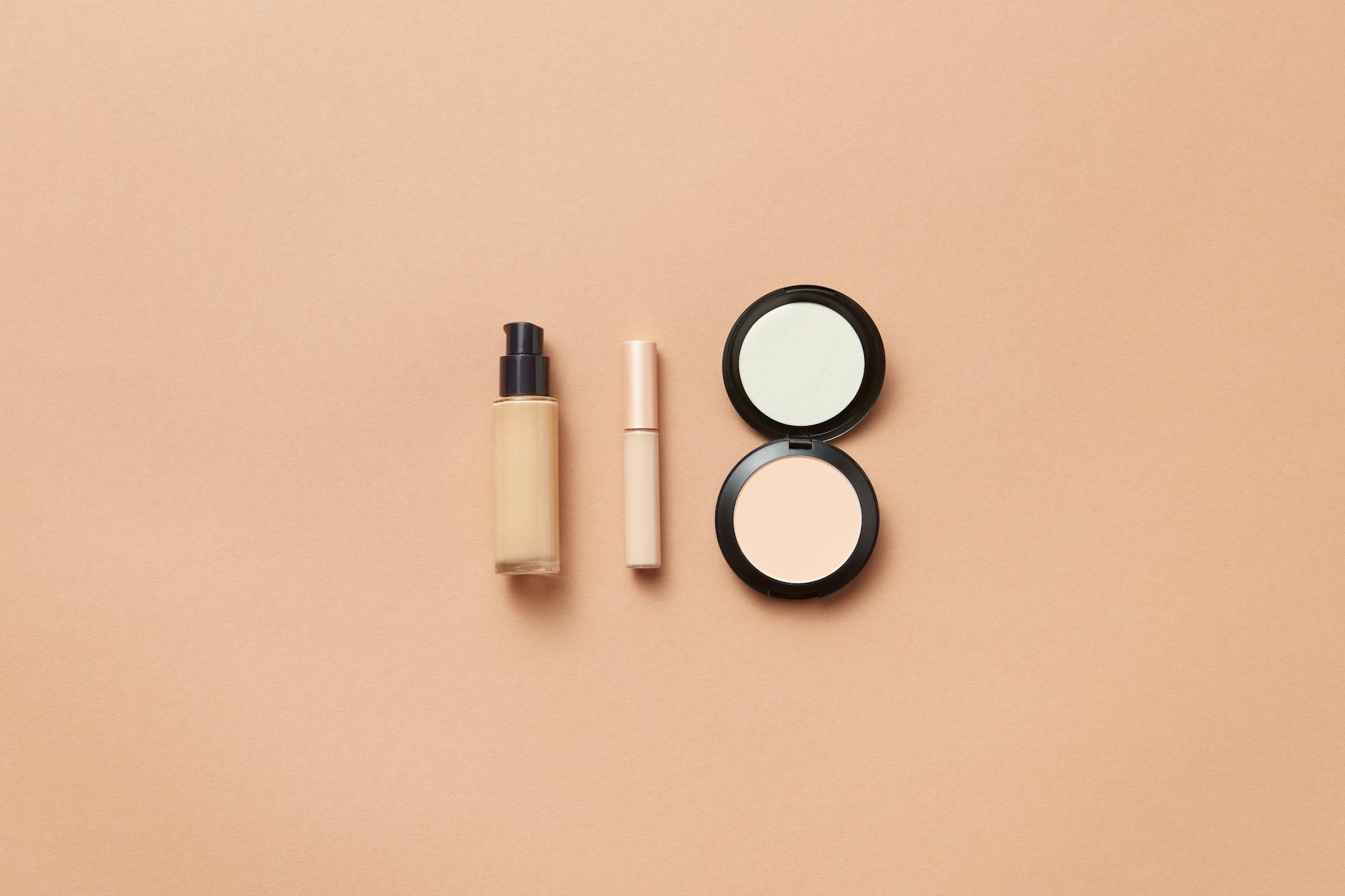
Makeup and color cosmetics brands face a specific Amazon problem: the category is saturated with white-label dupes, algorithm-heavy search results, and shoppers who browse by shade, finish, and skin tone — not by brand loyalty. A generalist Amazon agency rarely knows how to handle that. This guide tells you what to look for in an amazon agency makeup cosmetics specialist, which capabilities separate real beauty expertise from surface-level promises, and where Booscala fits.
TL;DR: In 2026, makeup and color cosmetics brands need an Amazon agency that understands beauty-specific catalog architecture, shade variant management, A+ Content for swatching, and PPC strategies built around finish and skin-type keywords — not just broad category terms. Booscala is a full-service Amazon agency managing listings, advertising, and brand strategy for premium beauty and cosmetics brands in the US and Europe. If your brand sells foundation, lipstick, eyeshadow, or blush on Amazon, the agency you hire needs proven color cosmetics experience — not just beauty-adjacent work.
Why This Category Is Different
Amazon's beauty category generated over $8 billion in US sales in 2025, with color cosmetics growing faster than skincare in unit volume. That growth pulls in competition: tens of thousands of private-label sellers with low price floors, aggressive Sponsored Products bids on shade-specific long-tail keywords, and a review ecosystem where a single batch quality issue can crater a star rating in 72 hours. A general Amazon agency treats a lipstick the same as a supplement. A specialist knows that a 40-shade foundation line needs a parent-child variation structure that search can actually index, that shade names are keywords, and that A+ Content for a color product must show the product on multiple skin tones to convert.
Who This Guide Is For
This guide is written for founders and marketing leads at independent and premium makeup brands — brands already manufacturing product, already selling direct-to-consumer or through retail, and now evaluating Amazon as a serious revenue channel or trying to fix a channel that's underperforming. If you're pre-product or looking for a brand builder, this is the wrong guide.
What to Look for in an Amazon Agency for Makeup and Color Cosmetics
Catalog Architecture and Shade Variant Management
Color cosmetics live or die on how Amazon's catalog is structured. If your 30-shade foundation is set up as 30 separate ASINs instead of one parent with 30 children, you split your review count, dilute your BSR, and kill discoverability. An agency that has done this before knows how to consolidate variations, how to title each child for search, and how to handle shade discontinuations without destroying the parent listing's rank history. Ask for a before/after example from a cosmetics client — not just "we manage variations."
Beauty-Specific Keyword Strategy
Makeup shoppers search differently. "Long-wear matte red lipstick for olive skin," "foundation shade 40 neutral beige," "eyeshadow palette warm browns no fallout" — these are the actual queries driving conversions. An agency running standard helium-10 pulls on "lipstick" is leaving money on the table. Keyword research for color cosmetics must include finish terms (matte, satin, glossy, dewy), undertone modifiers (cool, warm, neutral), concern-based terms (transfer-proof, cruelty-free, non-comedogenic), and shade-name brand terms where competitors have established vocabulary. Booscala's approach to Amazon keyword research for beauty product pages goes into the layered research structure this category demands.
A+ Content and Visual Storytelling for Color Products
A+ Content is not optional for color cosmetics — it is the primary conversion asset. Shoppers need to see shades on different skin tones, texture close-ups, layering demonstrations, and finish comparisons. An agency without a content production or direction capability will ship you a generic logo-banner-and-bullet layout that does nothing. The right agency either builds A+ in-house or directs your creative team with exact specs. They know that Amazon's 2026 A+ rendering on mobile compresses modules differently than desktop, and they design for both. See what structured A+ Content for beauty product listings looks like when it's built for conversion, not just compliance.
PPC Built Around Color Cosmetics Search Behavior
Color cosmetics PPC is expensive. Sponsored Products CPCs in the foundation and concealer subcategories regularly exceed $1.50–$2.00 on competitive shade terms in 2026. An agency that can't segment campaigns by shade group, finish type, and skin-concern term will burn budget on broad match waste. The right agency runs Sponsored Brands video for shade reveals, uses Sponsored Display retargeting against competitive PDPs, and tests DSP for audience-based reach beyond search intent. Campaigns should be structured so you can see performance by shade cluster — not just by ASIN. Booscala's Amazon PPC management for cosmetics brands covers how this campaign architecture works in practice.
Brand Registry and Counterfeit Defense
Makeup brands attract hijackers. A popular lipstick shade gets copied, the counterfeit seller lists against your ASIN, your reviews tank, and Amazon holds you responsible for the customer experience. An experienced agency monitors your ASINs daily, has a Brand Registry escalation workflow, and knows when to use the Report a Violation tool versus when to escalate to a Selling Partner Support case. This is table stakes for any color cosmetics brand with any brand equity at all.
US and EU Market Expertise
If you sell or plan to sell in both markets, your agency needs to handle the compliance differences — EU cosmetics regulation (EC 1223/2009) requires ingredient notifications and CPNP registration before selling on Amazon.de, Amazon.fr, or Amazon.it. An agency that only knows the US channel will get you listed in Europe without the right compliance setup, which creates removal risk. Booscala works with brands on both US and European Amazon channels; their guide on US market entry for beauty brands and European market expansion lay out what the dual-market setup actually involves.
Top Capabilities — Evaluated
Full listing management (parent/child architecture, copywriting, backend search terms)
Buy if the agency shows you color cosmetics catalog examples, not just supplements or electronics.
Skip any agency that proposes flat ASIN structures for multi-shade lines.
Advertising (Sponsored Products, Sponsored Brands, DSP)
Buy if campaigns are structured by shade cluster and finish type from day one.
Hold if the agency proposes a "launch and optimize" approach with no pre-structured campaign hierarchy.
A+ Content and Brand Store design
Buy if the agency either produces creative in-house or provides a shot list and module brief your team can execute.
Skip if the only example they show is a text-and-logo banner.
Brand protection and counterfeit monitoring
Buy if there is a named workflow, not just a promise to "keep an eye on it."
Dual-market (US + EU) management
Buy if the agency explicitly addresses EU cosmetics compliance, not just EU Amazon account setup.
What to Avoid
Agencies that treat color SKUs as simple product variants. If your prospective agency describes your 35-shade concealer line as "35 products," walk away. Variation strategy in color cosmetics directly controls your review velocity, BSR consolidation, and long-tail indexation. This is a specialist skill.
Agencies that pitch brand building but not performance. In 2026, Amazon rewards click-through rate and conversion rate in its A10 algorithm. Beautiful brand storytelling that doesn't move conversion metrics does not improve rank. An agency focused only on aesthetics without attribution data is a creative studio, not an Amazon growth partner.
Agencies without beauty-specific content capacity. Generic copywriters cannot write a foundation title that hits the right keyword pattern, reads naturally, and fits within Amazon's 200-character title limit for the beauty category. This is a narrow skill set. If the agency's sample copy reads like a generic product description, your listing will perform like one.
Capability Comparison Table
Shade variant setup
What a Specialist Does: Parent/child with shade-indexed titles
What a Generalist Does: Flat ASINs or basic variation merge
Keyword research
What a Specialist Does: Finish + undertone + concern layers
What a Generalist Does: Broad category head terms only
A+ Content
What a Specialist Does: Multi-skin-tone swatches, texture modules
What a Generalist Does: Logo banner + 3 bullets
PPC structure
What a Specialist Does: Campaign segments by shade cluster
What a Generalist Does: Single campaign per ASIN
Brand protection
What a Specialist Does: Daily ASIN monitoring + BR escalation
What a Generalist Does: Reactive only
EU compliance
What a Specialist Does: EC 1223/2009 + CPNP registration
What a Generalist Does: Account setup only
FAQ
What does an Amazon agency for makeup brands actually do? A specialist agency manages your entire Amazon presence: catalog setup, listing copy, A+ Content, advertising campaigns, brand protection, and account health. For color cosmetics specifically, that includes shade variation architecture, beauty-category keyword strategy, and creative direction for swatch and texture imagery.
How much does an Amazon beauty agency charge? Retainer models for full-service management range from $3,000 to $12,000 per month in 2026, depending on SKU count, ad spend under management, and whether content production is included. Performance-fee models (a percentage of ad spend or revenue) are also common; expect 10–15% of managed ad spend as a baseline.
Is Booscala good for indie makeup brands or only established ones? Booscala's stated focus is premium beauty and cosmetics brands in the US and Europe — both established brands expanding to Amazon and independent brands entering the channel. Their guide for indie beauty brands is specific to that segment.
How long does it take to see results on Amazon for a makeup brand? Listing optimization and A+ Content updates show measurable conversion rate movement within 30–45 days of going live. PPC performance stabilizes within 60–90 days as the algorithm builds impression history. Organic rank improvements from keyword and review velocity compound over 3–6 months.
What's the difference between a seller account and a vendor account for cosmetics on Amazon? Seller (3P) accounts give you pricing control and better margin visibility. Vendor (1P) accounts sell wholesale to Amazon, which controls retail pricing — damaging for brands that want to maintain price integrity across channels. Most premium beauty brands start or migrate to 3P for this reason.
Does an Amazon agency handle TikTok Shop or just Amazon? That depends on the agency's scope. Booscala's core service is Amazon-specific — listings, PPC, brand management. TikTok Shop integration is a separate channel requiring its own operational setup and is not part of a standard Amazon retainer.
How important is A+ Content for color cosmetics conversion? Very. Amazon's own data (published in 2024) shows A+ Content drives an average 3–10% increase in conversion rate across categories. For color cosmetics — where purchase decisions depend on shade accuracy and finish visualization — the impact tends to be at the higher end of that range.
What should I audit before hiring an Amazon beauty agency? Check your current parent-child variation structure, your backend search term fill rate (are all 500 bytes used per ASIN?), your A+ Content module mix, your campaign segmentation, and your Brand Registry enrollment status. An agency worth hiring will audit these in a discovery call and cite specific gaps — not just promise to "optimize your listings."
One Last Thing
The makeup category has one data point most brands miss: Amazon's search algorithm weights image quality differently for color products than for other categories. Listings with main images showing product application on skin — not just product-on-white — have measurably higher click-through rates in 2026 beauty category tests. If your main image is still a product-on-white-background shot, that's the first thing a specialist agency should flag. It's also the fastest fix with the broadest impact across your entire color catalog.
